
If we look around in the UAE, we can see there will always be some construction work everywhere. New towers, big roads, bridges, entire communities popping up every corner. These projects can be really huge. They take months or even years to complete. They involve so many people, contractors, engineers, workers, all working hard to complete the projects within the limited time frame.
Just saying “the project is on track” doesn’t cut it. We all want to see it with our own eyes. We want proof of the ongoing process. We will be curious to know what’s actually happening. That’s why timelapse videography has become so important for these projects.
Showing progress in a way that makes sense
On a big construction site, things happen all the time. Foundations are poured, steel structures go up, concrete dries, landscaping happens it will be really messy. Trying to explain all this in emails or photos is really confusing. Even managers can get lost sometimes as they have to handle many works at a single time.
A timelapse video solves this. It takes photos over time and turns months or years of work into a few minutes. We can just see an empty land slowly becoming a building, roads being built, everything changing step by step. It makes sense instantly but most efficiently.
A story anyone can follow
The great thing about timelapse is we don’t have to be aware about engineering to understand all these things. We can just see a project go from nothing to fully finished gracefully.
This is especially useful in the UAE, where investors, consultants, and government people from different places are involved in the process. Timelapse keeps everyone on the same page without long meetings or confusing documents. We can check the updates even sitting at an office or home and can suggest further changes or any other things to improve the projects.
Built to survive UAE conditions
We know that UAE construction sites are really tough. Heat, dust, sandstorms are very common here and a regular camera can fail at these extreme climatic conditions. In these situations, professional timelapse cameras can survive very efficiently . They work quietly, day after day, month after month tracking even minute updates of our projects.
Once installed, a long-term timelapse camera just does its job. We don’t have to keep our eye on it everytime. It just captures everything. For projects that last a long time this will be the best choice ever.
Not just marketing
Yes, timelapse videos look great in presentations, websites, or investor updates. But their real power often lies in project monitoring. A detailed construction time lapse allows managers to review work over time. They can spot delays, identify workflow issues, and see how tasks overlap. Now we can understand why it will be worth using these cameras for our projects.
It’s like having a quiet observer checking the progress of our works on the site at all times with keepin. Problems can be spotted early, adjustments can be made quickly, and coordination improves. It’s not just a video—it’s a tool.
Strong visuals for presentations
Big projects need to be shown to people—investors, government authorities, the public. Timelapse videos make it easy to show that the project is moving.
A construction time lapse can be used in presentations, websites, exhibitions. It doesn’t just show a building—it shows that people are working hard and things are organized.
Working with security systems
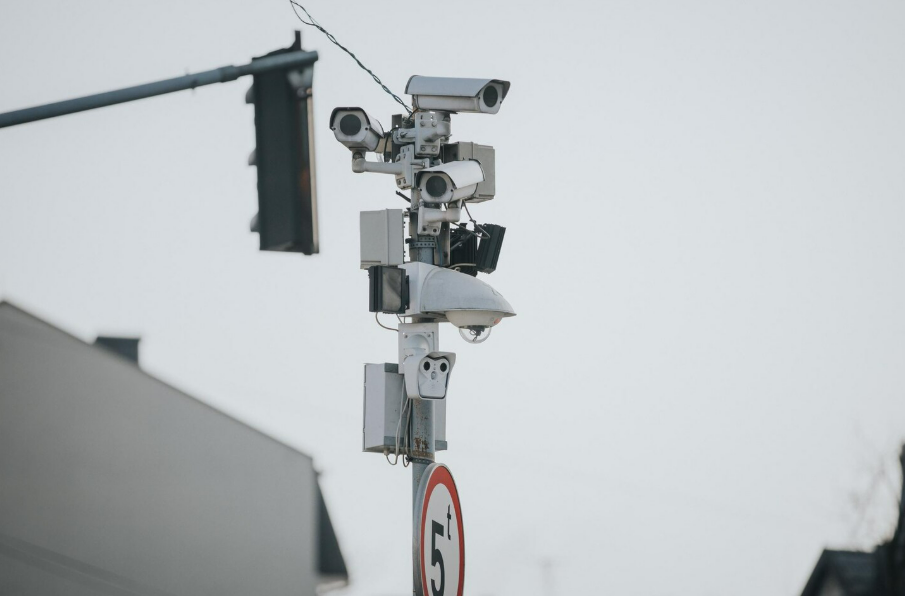
Most big sites already use CCTV and other monitoring systems. Timelapse cameras do something different.
CCTV watches for security issues from time to time. But a Timelapse watches the progress. Together, they show a full picture of what’s happening with our projects.
Creating a long-term record
Photos get lost or forgotten. Timelapse creates a record that lasts. Months or years later, you can look back and see how a project grew from start to finish.
In the UAE, where iconic buildings define the skyline, this record is valuable. Developers and planners like us can use it later for reference or planning.
Professional setup matters
Timelapse videography is simple in concept but tricky in execution. Camera placement, shooting intervals, data storage, and editing all matter. A professionally installed timelapse camera ensures that every important stage is captured.
A good setup means the video reflects the project honestly—showing both the scale and the effort involved. It’s not just the end result; it’s the whole journey.
Why demand keeps growing
Construction in the UAE is fast and ambitious. Developers want transparency, good documentation, and visuals without stopping daily work. Timelapse does all that. That’s why more and more projects use it.
Final thoughts
Mega projects need more than reports and photos. They need a story. They need a clear, honest visual record of progress. Timelapse videography provides that. It’s now a necessary tool for large construction projects in the UAE.
Frequently Asked Questions
1. What is timelapse videography?
Timelapse videography shows our long construction work in a short video by capturing images over time and connecting them together. It helps us to quickly see how a project progressed from start to finish.
2. Why do UAE mega projects use timelapse?
As we know, projects are large and involve many stakeholders, Timelapse videos make it easy to show real progress of our projects without site visits or long reports thus consuming our time and giving less work pressure.
3. Do workers need to change their routine for timelapse cameras?
Not really. Timelapse cameras work quietly in the background without affecting our work. We don’t need to stop what we’re doing. It just keeps recording without interfering with our daily work.
4. How long can a timelapse camera keep running?
Professional timelapse cameras can run for months—even years—if they’re set up correctly. They are built to handle heat, dust, and other tough conditions. We basically set them up and they will do their job.5. Who actually watches these timelapse videos?
Everyone. Managers, engineers, investors, government officials, and even marketing teams. Each group uses it differently. Some watch for progress, some for planning, some for presentations. It’s a universal way to see the project grow.