
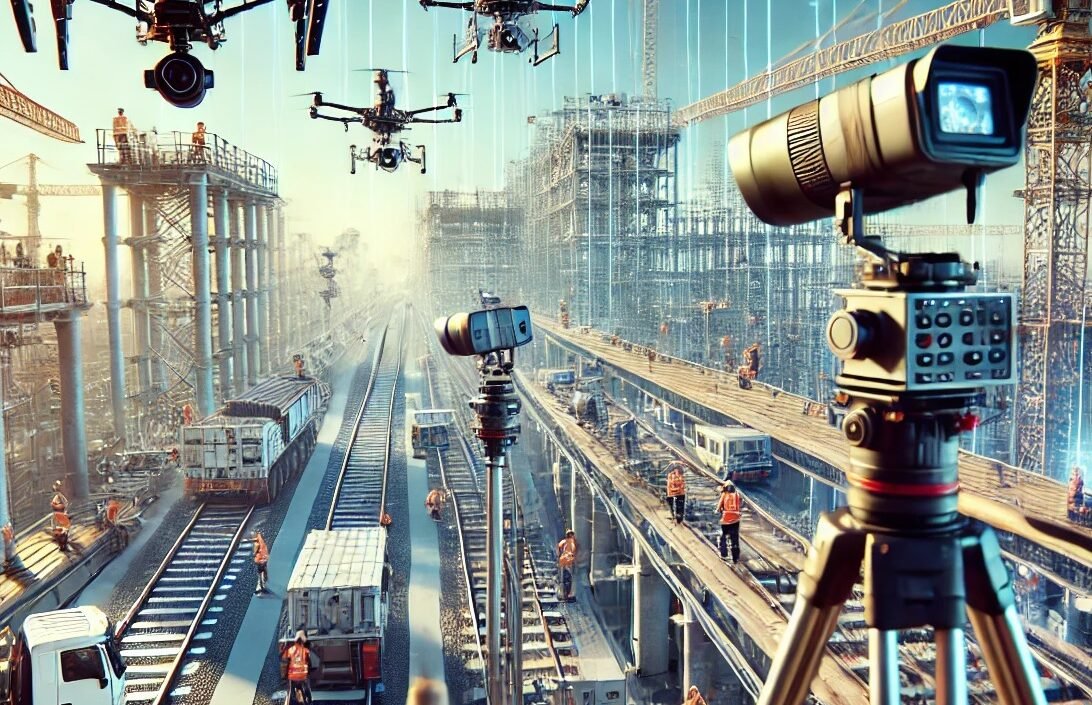
Running a time-lapse project outdoors for weeks or months? You’re dealing with challenges that regular shoots never face. Power failures, weather damage, and shifting equipment can wreck months of work in an instant.
Here’s what actually matters when setting up for the long haul.
Why Long-Term Projects Need Different Thinking
Short shoots wrap up in days. Long-term documentation of construction, environmental changes, or research projects? That’s a different beast entirely. Your long term timelapse camera sits there through storms, heat waves, and everything else nature throws at it.
The three make-or-break factors: continuous power, solid weather protection, and zero movement.
Power Solutions That Last
Batteries kill more projects than anything else. Standard camera batteries won’t make it past a few days.
Solar Power Works
Projects over a week need solar panels. A 20-50 watt panel with a battery bank runs indefinitely if you get decent sun. Point south, angle it right, keep it clean. Most professional long term timelapse solutions rely on solar because it’s set-and-forget reliable.
AC Power When Available
Near a building? Run proper outdoor cable and you’re done. Construction sites usually have temporary power already. Use weatherproof boxes and you’ve eliminated your biggest headache.
Battery Banks
Remote locations need serious batteries—lithium or deep-cycle types. Calculate your camera’s power draw, add 50% buffer, and monitor it remotely. Nobody wants to hike back to a dead camera.
Weather Protection
Your gear faces rain, snow, extreme temps, and humidity nonstop. Cheap protection fails fast.
Housing That Works
Get IP65-rated cases minimum. Clear front panels let you check things without opening up. Professional housings cost more upfront but they actually survive months outdoors. The best camera for long term timelapse work needs proper protection, period.
Beating Condensation
Temperature swings create moisture inside housings. Desiccant packs help—swap them monthly. Better setups include small heaters that prevent condensation completely. Humid climates need this.
Temperature Management
Cameras hate extremes. Summer heat cooks electronics in closed boxes. Winter cold murders batteries. Pick housing for your climate and add ventilation or heating as needed.
Mounting Systems That Stay Put
Movement ruins everything. Your mount handles wind, weather, and time without budging.
Solid Mounts Only
Lightweight tripods fail. You need heavy-duty tripods with stakes, wall mounts bolted to structures, or posts in concrete. Construction sites sometimes need scaffolding. No compromises here.
Wind Issues
Lower mounts catch less wind. Higher positions need guy wires. Test on a windy day first.
Regular Checks
Even solid mounts shift over time. Weekly visits verify position, clean lenses, grab footage. Some cameras let you check remotely—catches problems early.
Choosing Cameras
Purpose-Built Systems
Time-lapse cameras designed for this work solve problems automatically. Low power draw, weatherproof, remote connectivity. When comparing the best camera for long term timelapse work, these win on reliability.
DSLR Options
Better image quality but need external power, interval timers, and weatherproof cases. Mechanical shutters wear out with thousands of shots too.
Security Camera Option
Construction Site Security Cameras & CCTV systems often double as time-lapse cameras. They’re built for continuous outdoor operation. Image quality doesn’t match DSLRs, but reliability is solid. Projects running CCTV Recording can add time-lapse without much extra gear.
Image Quality Basics
Shoot 4K if storage allows—you can downscale later. Pick intervals based on what you’re shooting: construction needs 10-15 minutes, slower subjects need hourly frames. Lock exposure manually to prevent flicker. Use lens filters and clean them every visit.
Data Storage
Use high-capacity cards rated for continuous Video Recording and CCTV Recording. Industrial cards fail less. Calculate total storage needs and add margin. Better long term timelapse solutions include wireless backup to prevent data loss.
Installation Details
Get permission first. Construction sites need manager coordination. Public locations need permits. Secure your mounts—outdoor cameras attract attention. Insurance helps for expensive setups.
Common Problems
Fogged lenses? Add desiccant and check seals. Camera shifted? Reinforce your mount. Battery dying fast? Recalculate power needs. Flickering video? Lock exposure settings from the start.
Questions and Answers
How long can a long term timelapse camera run?
Indefinitely with proper power. Solar or AC setups handle year-plus projects easily. Storage and maintenance limit you, not the camera.
Best power source for remote spots?
Solar with battery backup wins. Size your panel right and you’re good through cloudy periods.
Need 4K resolution?
Not required but becoming standard. Gives cropping flexibility later without quality loss.
How often to check setups?
Weekly works for most projects. Catches issues early, backs up footage. Remote monitoring extends this to bi-weekly.
Can security cameras work for time-lapse?
Absolutely. Modern outdoor security cameras make solid time-lapse rigs. Less image quality than DSLRs but very reliable.
Interval for construction docs?
10-15 minutes during work hours captures progress without massive files. Extend to 30+ minutes overnight.
Preventing condensation?
Desiccant packs and proper seals. Professional systems add heaters for humid environments.
What if camera moves mid-project?
Visible jump in final video. Prevention beats fixes—solid mounts and regular alignment checks.
Biggest beginner mistake?
Underestimating power needs. Calculate carefully and add buffer capacity.
When use professional services?
Critical projects where failure isn’t acceptable. Major construction, research projects, anything unrepeatable—expertise and proven systems justify costs.
Final Thoughts
Long-term outdoor time-lapses need three things nailed down: reliable power, weather protection, and stable mounts. Get these right from the start and you’ll document changes that unfold over weeks or months successfully.
Pick appropriate equipment for your conditions, protect it properly, mount securely, and check regularly. Whether documenting construction, environmental shifts, or research, proper prep delivers results that shorter shoots can’t capture.